
OpenAI Backs Sam Altman’s Brain-Tech Startup Merge Labs
3 Mins Read
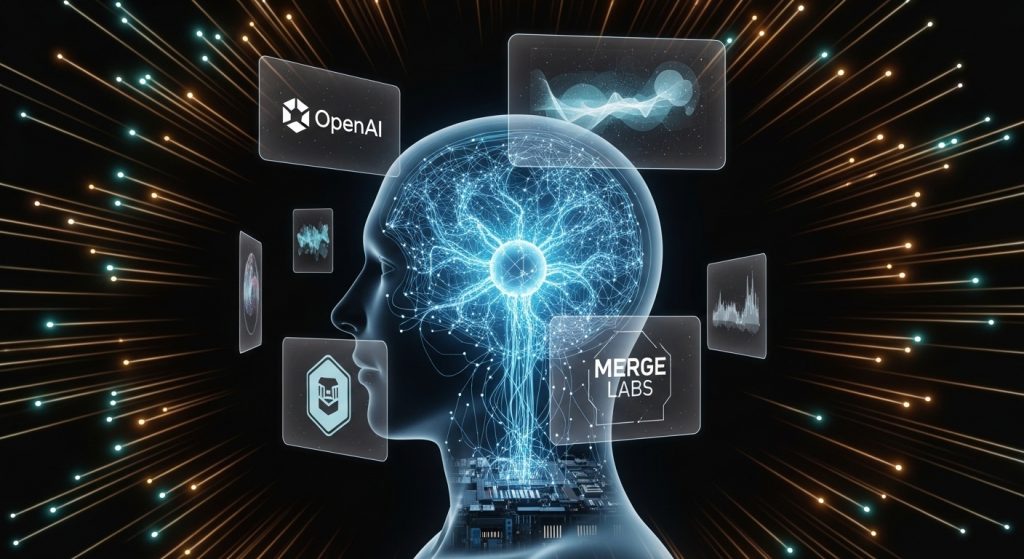
OpenAI has invested in Merge Labs, a new brain-computer interface (BCI) startup linked to CEO Sam Altman, according to reporting from Wired.
The move signals a growing convergence between artificial intelligence and neurotechnology — an area where the goal is not just to build smarter systems, but to connect them directly to human cognition.
While still early, the investment highlights how major AI players are expanding beyond software into biological interfaces.
What Is Merge Labs?
Merge Labs is a startup focused on developing brain-computer interface technologies.
The company is working on systems that could:
- interpret brain signals
- enable direct interaction between humans and computers
- enhance communication between biological and digital systems
Details about the exact technology remain limited, but the broader goal aligns with ongoing efforts in the BCI space: reducing the gap between human intent and machine execution.
Why OpenAI Is Investing
OpenAI’s involvement suggests a strategic interest beyond traditional AI models.
Possible motivations include:
1. Expanding Human-AI Interaction
Today’s AI interfaces rely on text, voice, and touch.
BCIs could enable:
- faster communication
- more intuitive interaction
- direct expression of intent
2. Long-Term AI Vision
Connecting AI systems directly to the brain could:
- enhance productivity
- support accessibility use cases
- redefine how humans interact with technology
This aligns with broader industry ambitions around augmenting human capabilities.
3. Staying Competitive in Emerging Tech
Other companies are also exploring brain interfaces, including:
- implant-based systems
- non-invasive neural technologies
- hybrid human-machine interaction platforms
Investing early allows OpenAI to remain close to developments in this space.
The Bigger Trend: AI + Neurotechnology
The investment reflects a wider shift.
Technology companies are increasingly exploring intersections between:
- AI
- neuroscience
- hardware
- human-computer interaction
This includes:
- brain-computer interfaces
- neural signal decoding
- cognitive augmentation tools
The long-term vision is not just smarter machines — but tighter integration between humans and machines.
Challenges Ahead
Brain-computer interfaces face significant hurdles:
- technical complexity
- safety and regulatory requirements
- ethical concerns
- user adoption challenges
Developing reliable systems that can interpret brain signals accurately remains difficult.
Additionally, privacy concerns around neural data will likely play a major role in shaping adoption.
What’s Next?
Key areas to watch:
- technical breakthroughs in signal decoding
- regulatory developments
- real-world use cases in healthcare and accessibility
- collaboration between AI and biotech companies
The timeline for widespread adoption remains uncertain.
Conclusion: A Long-Term Bet on Human-AI Integration
OpenAI’s investment in Merge Labs is less about immediate products and more about long-term positioning.
As AI systems become more capable, the next frontier may not be building better models — but improving how humans interact with them.
Brain-computer interfaces represent one possible path.
Whether that future arrives soon or decades from now, the direction is becoming clearer: the boundary between human and machine interaction is starting to blur.
Key Takeaways
- OpenAI invested in Sam Altman-linked BCI startup Merge Labs.
- The company is working on brain-computer interface technologies.
- The move reflects growing interest in human-AI integration.
- BCIs could redefine how people interact with AI systems.
- Technical, ethical, and regulatory challenges remain.