
Introduction: Governments Are Rethinking Their AI Dependencies
3 Mins Read
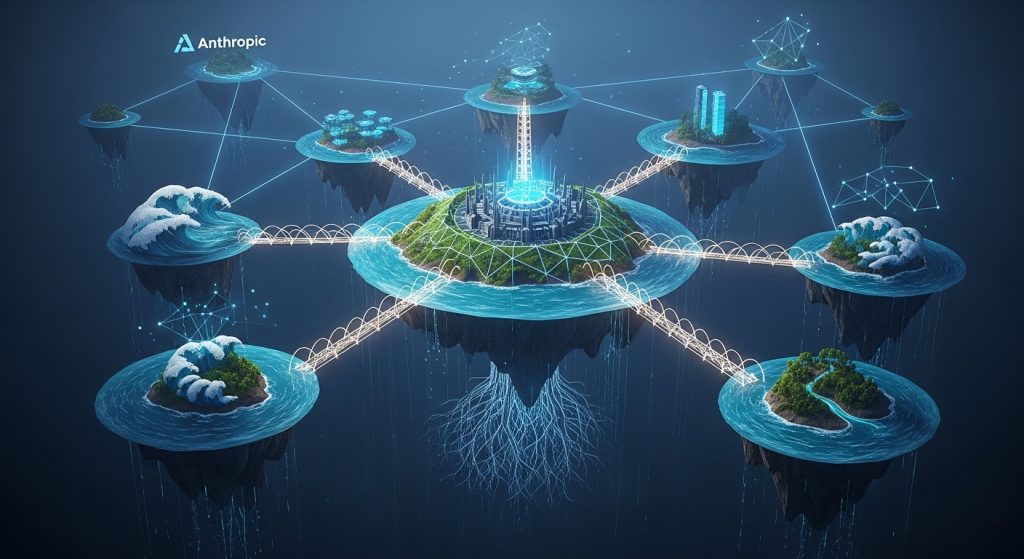
The U.S. Department of Defense is reportedly exploring alternatives to Anthropic for its artificial intelligence needs, according to TechCrunch.
The move reflects a broader shift in how governments approach AI: reliance on a single vendor — especially for sensitive or mission-critical systems — is increasingly seen as a risk.
As AI becomes embedded in defense, intelligence, and national security operations, control, reliability, and vendor diversity are becoming top priorities.
What Happened?
The Pentagon is said to be developing or evaluating alternatives to Anthropic’s AI systems.
Details remain limited, but the report suggests:
- The Department of Defense is reassessing its reliance on specific AI providers
- Internal or alternative solutions are being explored
- The focus is on ensuring flexibility and long-term control
Anthropic has been one of the companies working with U.S. government agencies on AI capabilities, particularly in areas requiring strong safety and governance.
Why the Pentagon Is Reconsidering
1. Avoiding Vendor Lock-In
Relying heavily on a single AI provider can create:
- operational dependency
- limited flexibility
- strategic vulnerability
For defense organizations, maintaining multiple options reduces risk.
2. National Security Concerns
AI systems used in defense applications must meet strict requirements for:
- reliability
- transparency
- control
- data security
Governments may prefer systems they can:
- audit more deeply
- deploy in controlled environments
- customize internally
This often leads to interest in alternative or in-house solutions.
3. Rapidly Changing AI Landscape
The AI industry is evolving quickly, with new models and platforms emerging regularly.
The Pentagon may be seeking:
- access to multiple models
- flexibility to switch providers
- ability to adopt new technologies quickly
A multi-vendor or hybrid approach allows for adaptation as the technology evolves.
The Bigger Trend: Multi-Model and Sovereign AI
The Pentagon’s reported move reflects a broader trend across governments and enterprises.
Organizations are increasingly adopting:
- multi-model strategies
- hybrid AI deployments
- private infrastructure for sensitive workloads
This approach reduces dependency and allows organizations to match different models to different use cases.
In national security contexts, this trend is often referred to as sovereign AI — maintaining control over critical technology systems.
Industry Implications
The report highlights a shift in how AI vendors will compete for government contracts.
Success may depend not only on model performance, but also on:
- transparency and explainability
- deployment flexibility
- compliance with security standards
- ability to operate in isolated environments
AI providers may need to adapt their offerings to meet these requirements.
What’s Next?
Key developments to watch:
- Whether the Pentagon builds internal AI capabilities
- Additional partnerships with alternative AI providers
- Policy frameworks governing AI procurement in defense
- Increased scrutiny of vendor dependencies
As governments invest more heavily in AI, procurement strategies are likely to become more complex and strategic.
Conclusion: Control Over Capability
The Pentagon’s reported exploration of alternatives to Anthropic underscores a fundamental shift.
AI is no longer just a tool — it is becoming strategic infrastructure.
For governments, the priority is not just access to advanced models, but control over how those models are used, deployed, and governed.
The future of defense AI may be defined by diversification rather than dependence.
Key Takeaways
- The Pentagon is reportedly exploring alternatives to Anthropic’s AI systems.
- The move reflects concerns about vendor lock-in and control.
- Governments are adopting multi-model and hybrid AI strategies.
- AI procurement is becoming a strategic national security decision.
- Control and flexibility are emerging as key priorities in defense AI.