
How Quantum Technology Is Starting to Transform Life Sciences
3 Mins Read
While artificial intelligence dominates most tech conversations, another technology is quietly advancing with long-term impact: quantum computing.
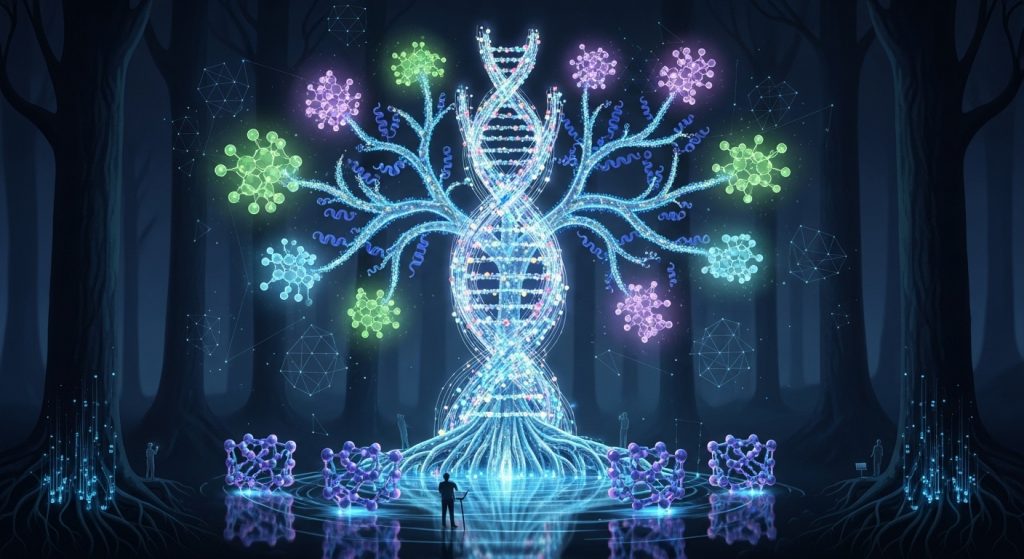
According to insights highlighted by the UK Office for Investment, quantum technology is beginning to show real potential in life sciences, particularly in areas like drug discovery, molecular simulation, and biological modeling.
The promise is not immediate disruption — but a gradual shift in how complex scientific problems are solved.
What Quantum Technology Actually Does
Traditional computers process information in binary (0s and 1s).
Quantum computers use qubits, which can exist in multiple states at once. This allows them to explore many possible solutions simultaneously.
In theory, this makes quantum systems especially suited for problems that involve:
- Complex chemical interactions
- Molecular structures
- Large-scale simulations
These are exactly the types of problems life sciences struggle with today.
Where Quantum Is Being Applied in Life Sciences
1. Drug Discovery
Developing new drugs requires understanding how molecules interact at an atomic level.
Quantum computing could:
- Simulate molecular behavior more accurately
- Reduce trial-and-error experimentation
- Identify promising drug candidates faster
This could shorten drug development timelines, which currently take years.
2. Protein Folding and Biological Modeling
Understanding how proteins fold is critical for:
- disease research
- vaccine development
- therapeutic design
Quantum systems may improve the ability to model these processes with higher precision, especially when combined with AI techniques.
3. Personalized Medicine
Quantum computing could eventually support:
- highly detailed patient-specific simulations
- optimized treatment planning
- predictive modeling for disease progression
While still early, the potential lies in handling the complexity of biological systems at scale.
Why This Matters Now
Quantum computing is still in its early stages.
However, progress is accelerating due to:
- increased investment from governments and enterprises
- partnerships between quantum startups and pharma companies
- advancements in hybrid quantum-classical systems
Life sciences is emerging as one of the first industries where quantum advantages may become commercially meaningful.
The Role of AI + Quantum Together
Quantum computing is unlikely to replace AI. Instead, the two technologies are expected to complement each other.
AI can:
- analyze large datasets
- identify patterns
- guide simulations
Quantum systems can:
- simulate complex physical systems
- solve optimization problems
- handle combinatorial complexity
Together, they could significantly improve research workflows.
Challenges That Remain
Despite the potential, quantum technology faces major hurdles:
- hardware limitations and error rates
- high operational costs
- limited availability of quantum systems
- shortage of specialized talent
Most current applications are still experimental rather than production-ready.
What’s Next?
In the near term, the industry is likely to focus on:
- hybrid quantum-classical approaches
- targeted use cases in pharma and biotech
- scaling quantum hardware capabilities
- building developer ecosystems
Commercial impact will likely emerge gradually rather than suddenly.
Conclusion: Early Stage, High Potential
Quantum computing is not yet transforming life sciences at scale — but the direction is clear.
As the technology matures, it could fundamentally change how scientists approach some of the most complex biological challenges.
For now, it remains an emerging capability with long-term implications rather than immediate disruption.
Key Takeaways
- Quantum computing is being explored for complex life sciences problems.
- Key applications include drug discovery, protein modeling, and personalized medicine.
- The technology is still early-stage but gaining investment and interest.
- AI and quantum systems are likely to work together rather than compete.
- Commercial impact will depend on hardware progress and ecosystem development.