
BuzzFeed Bets on AI Apps With BF Island and Conjure
3 Mins Read
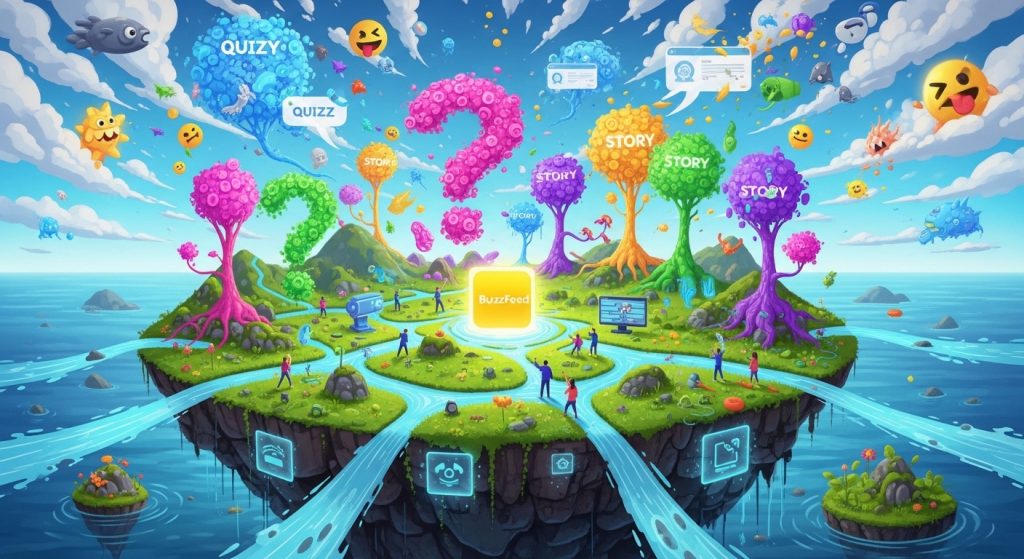
BuzzFeed is doubling down on AI — but not in the way most media companies are.
At SXSW, the company unveiled two new AI-driven apps, BF Island and Conjure, signaling a shift from traditional content publishing toward interactive, AI-generated experiences.
The move reflects a broader trend in digital media: instead of just producing content, platforms are experimenting with AI tools that let users create, remix, and engage directly.
What BuzzFeed Launched
BuzzFeed introduced two new AI-powered apps:
BF Island
A social, interactive platform where users can engage with AI-generated characters and experiences.
Conjure
An AI tool that allows users to generate and remix content, including quizzes, stories, and other formats BuzzFeed is known for.
Both apps lean into BuzzFeed’s core strength — viral, participatory content — but reimagine it through generative AI.
Why This Matters
1. Media Is Shifting From Content to Tools
Traditional media companies create and distribute content.
BuzzFeed’s new approach suggests a different model:
- Give users tools to create content themselves
- Use AI to scale personalization
- Turn audiences into participants
This changes the role of a media company from publisher to platform.
2. The “AI Slop” Debate
The launch comes amid growing criticism of so-called “AI slop” — low-quality, mass-generated content flooding the internet.
BuzzFeed appears to be leaning into this trend rather than avoiding it.
The strategy may be:
- Embrace high-volume, user-generated AI content
- Focus on engagement rather than editorial control
- Experiment with new formats before competitors
Whether this approach leads to meaningful user value or content fatigue remains to be seen.
3. Monetization Is Still Unclear
BuzzFeed has struggled with traditional media monetization models.
AI apps could open new revenue paths, such as:
- subscriptions
- in-app purchases
- branded content experiences
However, the commercial model for AI-driven content platforms is still evolving.
The Bigger Trend: AI-Native Consumer Apps
BuzzFeed’s move reflects a wider shift toward AI-native consumer products.
Instead of layering AI onto existing apps, companies are building experiences that are:
- interactive
- generative
- personalized
- continuously evolving
These products often blur the line between:
- social media
- gaming
- content creation
The goal is to increase user engagement through dynamic experiences.
Risks and Challenges
BuzzFeed’s strategy comes with trade-offs:
- Quality control may decline with high-volume AI content
- Users may lose trust if content feels repetitive or low-value
- Competition from other AI-native platforms is increasing
- Platform fatigue could limit long-term engagement
The challenge will be balancing creativity with meaningful user experience.
What’s Next?
Key questions going forward:
- Will users adopt AI-driven content creation at scale?
- Can BuzzFeed differentiate from other AI content platforms?
- What monetization model will emerge?
- How will the company manage content quality and moderation?
The answers will determine whether this is a short-term experiment or a long-term shift.
Conclusion: A Risky Reinvention
BuzzFeed’s launch of BF Island and Conjure represents a bold attempt to reinvent itself in the AI era.
Rather than competing in traditional media, the company is experimenting with AI-driven interaction and user-generated content.
The approach is unconventional — and carries risk.
But in a media landscape where attention is fragmented and content is abundant, experimentation may be necessary.
Key Takeaways
- BuzzFeed launched two AI apps, BF Island and Conjure, at SXSW.
- The apps focus on user-generated, AI-driven content experiences.
- The move reflects a shift from publishing content to building platforms.
- The strategy embraces the “AI slop” trend rather than avoiding it.
Success will depend on engagement, differentiation, and monetization.