
Anduril Projects $4B in Revenue — But Still Expects $1B in Losses
3 Mins Read
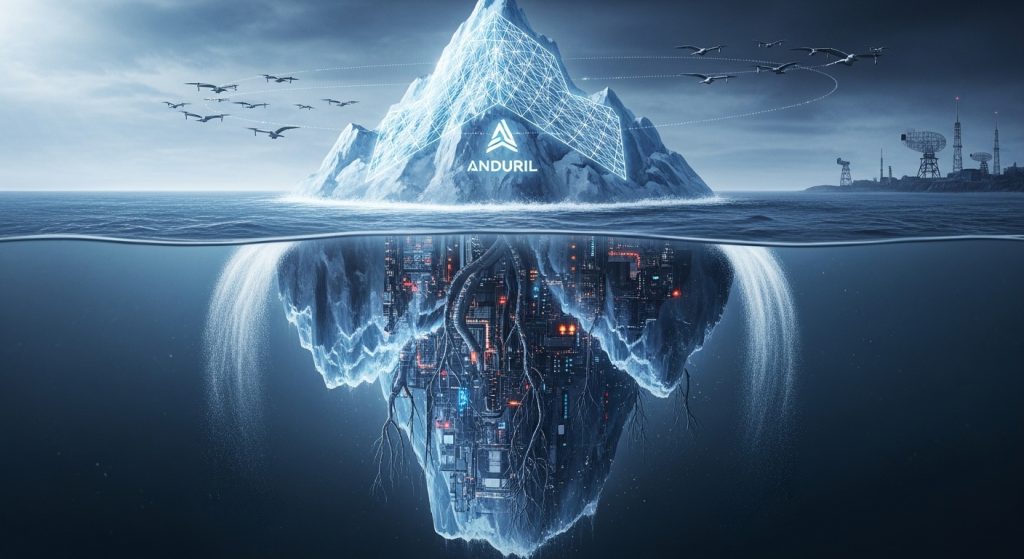
Defense startup Anduril Industries is forecasting $4 billion in revenue, but also expects to post $1 billion in losses, according to reporting from The Information.
The numbers highlight a growing reality in defense tech: rapid growth does not necessarily mean profitability. Instead, companies are prioritizing scale, contracts, and long-term positioning — even at the cost of near-term losses.
What Anduril Is Reporting
Anduril’s internal projections suggest:
- $4 billion in annual revenue
- $1 billion in losses
This indicates strong top-line growth but continued heavy spending.
The company builds defense technologies including:
- autonomous drones
- surveillance systems
- AI-powered defense platforms
Its products are increasingly tied to modern military strategies focused on automation and real-time intelligence.
Why the Losses Are So High
Unlike software startups, defense tech companies operate in a capital-intensive environment.
Key cost drivers include:
1. Hardware Development
Building drones, sensors, and defense systems requires manufacturing, testing, and logistics.
2. R&D Investment
Anduril is investing heavily in AI-driven defense capabilities, which require continuous development.
3. Infrastructure and Deployment
Defense contracts often involve large-scale deployments, integration with military systems, and ongoing support.
4. Long Sales Cycles
Government contracts take time. Companies may spend heavily before revenue fully materializes.
The Bigger Trend: Defense Tech as the New Frontier
Anduril is part of a broader wave of defense-focused startups applying AI and automation to military systems.
This shift includes:
- autonomous weapons systems
- AI-powered surveillance
- battlefield data analytics
- robotics and drone fleets
Governments are increasingly investing in these technologies as part of modern defense strategies.
As a result, startups like Anduril are scaling quickly.
Growth vs. Profitability
The company’s projections raise an important point.
In defense tech, success is often measured by:
- contract volume
- strategic positioning
- government relationships
rather than immediate profitability.
Investors may be willing to accept losses if:
- revenue is growing
- long-term contracts are secured
- technology becomes embedded in defense infrastructure
This model is closer to infrastructure or aerospace than traditional SaaS.
Why Investors Are Still Interested
Despite losses, Anduril continues to attract attention because:
- defense spending is increasing globally
- AI is becoming central to military strategy
- governments are seeking alternatives to traditional defense contractors
Startups that can move faster and innovate more rapidly may gain market share from legacy players.
Risks and Challenges
However, the model comes with risks:
- dependency on government contracts
- regulatory and political scrutiny
- high capital requirements
- long timelines to profitability
Scaling too quickly without sustainable margins can create pressure if funding conditions tighten.
What’s Next?
Key developments to watch:
- additional government contracts
- margin improvements over time
- expansion into new defense markets
- competition with traditional defense contractors
If Anduril can convert growth into long-term contracts, losses may narrow over time.
Conclusion: Growth First, Profit Later
Anduril’s $4 billion revenue forecast alongside $1 billion in losses reflects a familiar pattern in emerging industries.
Companies invest heavily upfront to secure position, infrastructure, and long-term contracts.
In defense tech, the stakes are even higher — and so are the costs.
The question is not whether companies like Anduril can grow. It is whether they can eventually turn that growth into sustainable profitability.
Key Takeaways
- Anduril forecasts $4B in revenue and $1B in losses.
- The company is investing heavily in defense and AI technologies.
- Defense tech is capital-intensive and driven by long-term contracts.
- Investors are prioritizing growth and strategic positioning.
- Profitability will depend on scaling contracts and improving margins.